


As I was led to the town car from the international terminal, I took in a deep, cleansing breath. The air was so fresh; there was a light breeze and I could already feel the warmth of the people here.
As Robert, my driver, gave me a brief history of the city, I gazed out the window and remarked at the beauty: the distinctive architecture of the homes and businesses, the verdant trees and colorful flowers and the awe-inspiring mountains in the distance. It seemed so much like the many places I visited in Western Europe. I could not wait to explore this exciting destination just north of the American border.
Welcome to Quebec City!
400 Years Old and Still Kicking!
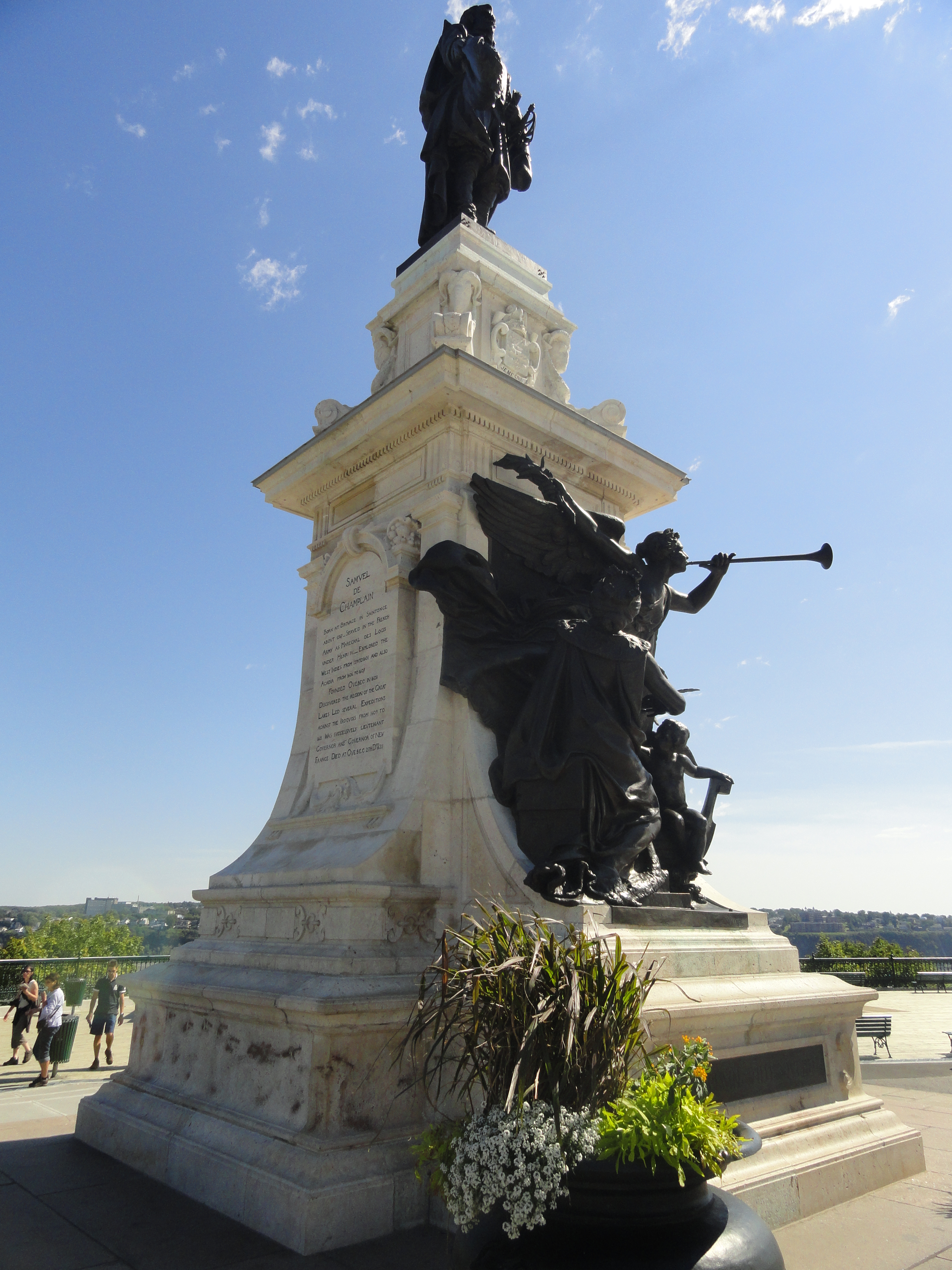
Founded in 1608 by Samuel de Champlain, Quebec City is widely recognized as the cradle of French civilization in North America. Located in the heart of the St. Lawrence Valley, the Quebec City region, which encompasses almost 3,500 square miles, is a close neighbor to the United States-just 381 miles from Boston, 524 miles from New York and 728 miles from Detroit. Within Canada, Quebec City is only 151, 270 and 476 miles from Montreal, Ottawa and Toronto, respectively, and all of these cities are within the province of Quebec, of which Quebec City is the capital.
The area’s first denizens were the Iroquois Indians, followed by European settlers-primarily from England and France-both of whom reigned over the area at different times in the city’s early history. However, it was the French who made an indelible mark here as early frontiersmen who desired to take advantage of the area’s notable topographical features, which include the Laurentian Mountains, the St. Lawrence River and Cap Diamant (Cape Diamond), the high bluff that overlooks the river.
Because the river is so vast, extending some 745 miles, it was the perfect vehicle for commerce for various trades, including furs, agriculture, travelling frontiersmen, immigrants and military entities, the latter playing a major role in the development of the city, area and province.
Home to close to 638,000 people and possessing four distinct seasons with a plethora of indoor and outdoor activities to suit all tastes and lifestyles, Quebec City has long been a favorite tourist destination for people all over the globe. Each year, close to 5 million flock here, a touch over a million of those coming from 75 countries outside of Canada. In Canada alone, Quebec City is the fourth most popular destination after Toronto, Montreal and Vancouver, and its low crime rate is another attractive factor that draws many people here to enjoy all that it has to offer.
The city encompasses numerous quaint and unique districts, including Saint-Roch, Parliament Hill, Old Quebec, Old Limoilou, the historic district of Sillery, Old Port and Place Royale, Trait-Carre, Borough de Charlesbourg, Petit-Champlain and Saint-Jean.
Each are simply enchanting, with striking architecture, cobblestone streets in some districts, historic structures, impressive attractions, a plethora of winding streets and boulevards, beautiful vistas and impressive hills that take your breath away. At one point I remarked-and apparently many other people have said the same-that the hills here reminded me a lot of San Francisco. And to that, many residents often respond, “No, San Francisco is a lot like Quebec City!”
Although these districts each possess their own history, style, attractions, flavor and social focus, what they have in common is warm and welcoming people that exude a palpable ease and joie de vivre (joy of life) in everything they do. Everywhere you go, these denizens-called Quebecois-are more than happy to stop and share a tidbit or two about their city or district, as well as inquire about you and where you are from with a genuine interest in learning more about the world around them.
As far as communicating with others in this French city (somewhere between 80 and 95 percent of the population here speak in their native French-Canadian language), visitors will find that most people also speak English to some degree and are more than happy to do so.
All of these elements combine into a truly romantic old-world city with a modern charm and sensibilities.
VIEUX QUEBEC
One of the most popular districts in town is Vieux Quebec (Old Quebec), which is divided into two distinct sections: Upper Town and Lower Town.
Upper Town is where you will find a great deal of the city’s military history at numerous entities including the citadel, its many fortified ramparts and other historic defensive sites. Lower Town centers around spectacular historical neighborhoods and the city’s port harbor. Both “Towns” exude their own history, flavor and flair. Moreover, these two sections are connected by over 30 stairways, many named after a famous Quebec City historical figure, a particular aspect or group of the city or as a nod to some other interesting city attribute.
Together-and in large part because of the military heritage here-Vieux Quebec stands today as the only walled city north of Mexico, and is a stunning relic of a fortified city from the colonial era. As such, in 1985 it was added as a UNESCO World Heritage Site (the only city designated as such in North America), one of 936 properties “forming part of the cultural and natural heritage that the World Heritage Committee considers as having outstanding universal value,” according to the UNESCO website.
This is just the beginning of our exploration of Quebec City.
Lysa Allman-Baldwin writes for numerous online and print publications, including as the cultural travel writer for www.Examiner.com and as a senior travel writer for SoulOfAmerica.com, an Afrocentric travel website. Lysa can be reached at lallmanbaldwin@kc.rr.com.
RESOURCE LIST
Quebec City Tourism
(877) 783-1608, (418) 641-6290,
